Just How CNC Machining Solutions Enhance Effectiveness in Milling and Transforming Procedures
CNC machining services play a crucial role in boosting efficiency within milling and turning procedures. By utilizing automation and exact control, these services lessen human error and warranty consistent outcome. The capability to take care of complex geometries and preserve tight tolerances enhances manufacturing. The complete degree of CNC innovation's effect goes beyond fundamental efficiency gains. There are deeper ramifications and future patterns that require further exploration.
The Basics of CNC Machining
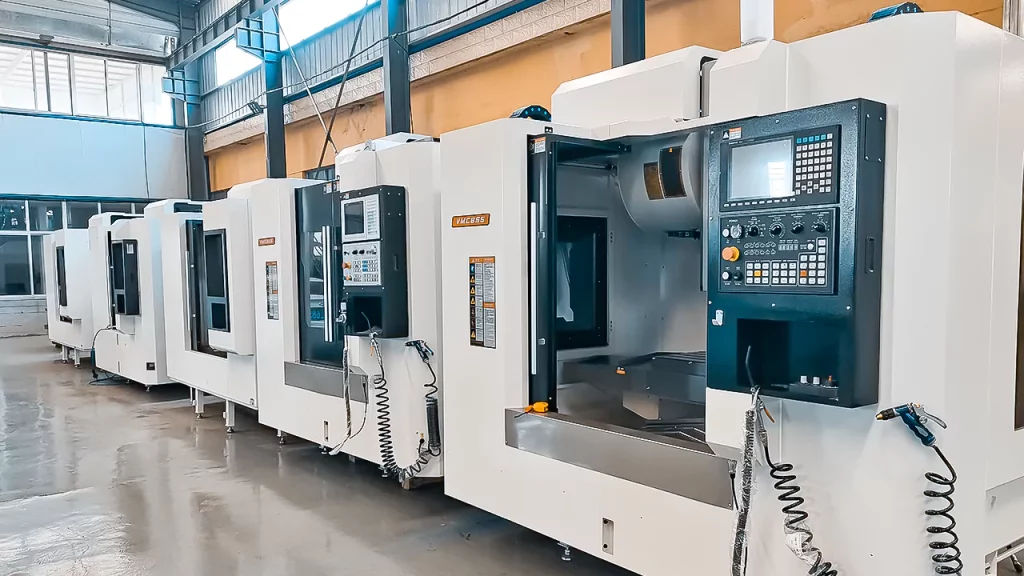
CNC machining is a precise production procedure that uses computer-controlled makers to create complex parts and components. This technology uses computer-aided layout (CAD) software program to produce comprehensive models, which are then converted right into device instructions. The procedure typically entails numerous operations such as milling, turning, and exploration, making it possible for makers to achieve high degrees of precision and repeatability.
CNC devices are equipped with innovative tooling that can control materials like metal, timber, and plastic. They run with a series of commands that determine motions, rates, and tool adjustments, decreasing human mistake and enhancing manufacturing effectiveness.
The automation inherent in CNC machining enables complex geometries and limited tolerances to be regularly generated, making it a favored selection in markets calling for precision, such as aerospace and auto. Comprehending the principles of CNC machining is necessary for appreciating its function in modern manufacturing procedures.
Advantages of CNC Machining in Milling
CNC machining uses substantial advantages in milling procedures, specifically relating to accuracy and accuracy. This innovation not just enhances production rate yet also enables the creation of complicated styles that would certainly be challenging to achieve by hand. Because of this, businesses can enhance performance and increase their capabilities in manufacturing.
Precision and Accuracy
Attaining exceptional accuracy and precision in milling procedures is a hallmark of advanced machining methods. CNC machining solutions make use of computer-controlled systems that meticulously perform styles with very little human treatment. This automation assures that each cut and shape is performed to exact specifications, significantly lowering the threat of mistakes typically associated with manual milling. The capability to produce elaborate geometries with tight tolerances is an essential advantage, enabling producers to fulfill stringent quality requirements. Additionally, CNC machines can keep regular efficiency throughout several runs, ensuring uniformity in production. This level of accuracy not just improves product quality but also lowers product waste, causing a lot more effective use of resources. On the whole, CNC machining solutions reinvent milling processes through their dedication to precision and detail.
Increased Manufacturing Rate
Speeding up production rate is among the standout benefits of modern-day machining solutions. CNC machining considerably decreases the time needed for grating processes by automating procedures and minimizing hand-operated treatment. Devices can run constantly, enabling enhanced result without compromising quality. The ability to program several tasks right into a single arrangement additionally streamlines manufacturing, enabling suppliers to total complicated tasks in less time. Furthermore, CNC machines preserve high-speed cutting abilities, resulting in quicker product elimination and faster cycle times. This improved performance translates to shorter preparations, enabling business to react quickly to market needs. In general, boosted production speed via CNC machining not only improves productivity however likewise boosts competitive benefit in the production industry.
Complicated Layout Capabilities
The capability to develop intricate styles is a substantial advantage of contemporary machining solutions. CNC machining permits the production of complicated geometries that would certainly be tough, if not impossible, to attain using conventional techniques. This capacity originates from advanced programs and automated devices that precisely comply with digital plans, ensuring accuracy and repeatability. As an outcome, makers can produce elaborate components with limited resistances, optimizing performance in various applications. Furthermore, the versatility of CNC equipments makes it possible for rapid adjustments to develop specs without considerable retooling, improving the production process. This versatility not only improves imagination in layout but also enables for reliable trial and error and technology, providing businesses a competitive side in the ever-evolving market.
Advantages of CNC Turning Procedures
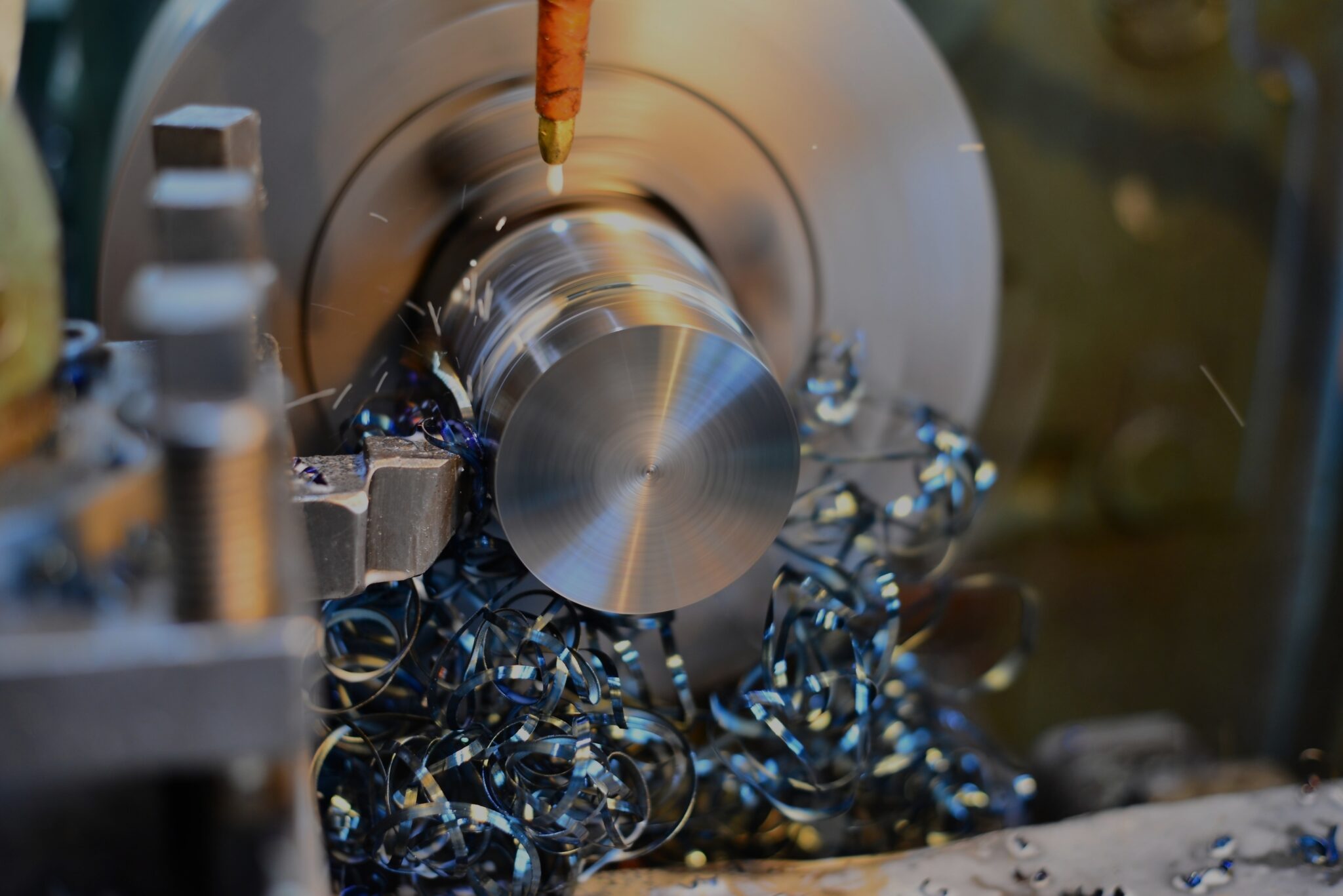
CNC turning procedures provide substantial advantages in production, especially pertaining to precision and precision. These processes permit for the development of very outlined parts with very little resistances, guaranteeing top quality in production. In addition, the efficiency of CNC transforming contributes to minimized preparations, enabling much faster delivery of useful source completed items.
Precision and Accuracy
Precision and accuracy are trademark features of CNC turning procedures, establishing them apart in the manufacturing landscape. These processes make use of computer numerical control to assist cutting tools with unequaled exactness. This results in elements that fulfill rigorous specifications and resistances, lowering the likelihood of errors. CNC transforming permits for repeatable and consistent manufacturing, ensuring that each part is essentially the same, which is vital in markets needing high criteria, such as aerospace and medical devices - jig and fixture tooling. In addition, advanced software application and innovation make it possible for real-time changes during machining, improving overall high quality. By lessening human mistake and maximizing control over the manufacturing process, CNC turning services provide premium accuracy and accuracy, making them a crucial choice for modern manufacturing requirements
Lowered Lead Times
Decreased lead times are a considerable benefit of CNC transforming processes, coming from their click to investigate capability to automate and enhance production. CNC turning devices operate with high effectiveness, enabling for quick configuration and implementation of several tasks without the requirement for substantial hand-operated treatment. This automation lessens downtime and speeds up the manufacturing process, enabling quicker turnaround for orders. In addition, CNC modern technology improves consistency and reduces mistakes, which better adds to much faster production cycles. Therefore, companies can satisfy limited due dates and respond quickly to market demands. By leveraging CNC turning processes, firms can simplify operations, boost source allowance, and eventually improve their one-upmanship via decreased preparations.
Precision and Accuracy in Manufacturing
While manufacturing procedures have actually developed considerably for many years, the relevance of precision and precision remains extremely important. In CNC machining, these two components are important to producing high-quality elements that meet specific specs. The integration of innovative computer modern technology enables meticulous control over machining specifications, making sure that parts are crafted with very little deviation from designated layouts.
Accuracy in manufacturing describes the repeatability of procedures, while precision denotes exactly how very closely a completed part lines up with its designated measurements. CNC machines use advanced software program and tools that enable makers to attain both, visibly reducing the margin for error - cnc milling services near me. This capacity is specifically essential in industries such as aerospace, automobile, and you could look here medical, where also small mistakes can cause tragic failings
Minimizing Lead Times With CNC Technology
CNC modern technology speeds up production timelines by streamlining the machining procedure. By automating tasks, CNC machines decrease hands-on intervention, substantially decreasing the time required for setup and procedure. This efficiency makes it possible for producers to react quickly to market needs, satisfying orders much faster than conventional machining techniques permit.
Additionally, CNC modern technology provides quick prototyping capabilities, enabling fast versions and changes based on client responses. The precision of CNC machining makes sure that parts are produced properly the initial time, decreasing the probability of costly errors and remodel.
In addition, progressed organizing and shows capacities optimize workflow, allowing multiple operations to run concurrently. This assimilation of modern technology not just reduces preparations however likewise improves general efficiency. Ultimately, the adoption of CNC machining solutions outfits suppliers with the devices essential to fulfill limited due dates while preserving premium requirements in production.
The Future of CNC Machining in Industry
As suppliers significantly embrace CNC innovation to improve processes and lower preparations, the future of CNC machining in market appears promising. Technologies such as man-made intelligence and artificial intelligence are established to reinvent the abilities of CNC devices, boosting their accuracy and versatility. These developments will facilitate real-time surveillance and anticipating maintenance, minimizing downtime and maximizing manufacturing effectiveness.
Additionally, the integration of Internet of Points (IoT) innovations will make it possible for far better data collection and analysis, allowing manufacturers to make enlightened decisions that further boost operational efficiency. The surge of additive manufacturing along with CNC machining is expected to match typical methods, supplying better design versatility and product performance.
Additionally, as sustainability ends up being a top priority, CNC machining is developing to integrate environmentally friendly methods, which will certainly attract ecologically mindful customers. On the whole, the future of CNC machining is characterized by continuous advancement and adjustment, placing it as a keystone of modern manufacturing.
Frequently Asked Concerns
What Materials Are Suitable With CNC Machining Providers?
CNC machining solutions are suitable with various materials, including metals like steel, aluminum, and titanium, along with plastics such as acrylic and polycarbonate. Timber and compounds also suit CNC processes for diverse applications.
Just How Does CNC Machining Compare to Conventional Machining Techniques?
CNC machining uses greater uniformity, accuracy, and automation compared to conventional methods. It reduces human error, increases manufacturing rate, and permits complicated styles, making it an exceptional option in contemporary manufacturing environments.
What Industries Advantage the A Lot Of From CNC Machining Providers?
The aerospace, automobile, medical, and electronic devices sectors benefit significantly from CNC machining services. These sectors utilize precision, speed, and modification to boost product quality while lowering production costs and time, inevitably enhancing overall functional efficiency.
Can CNC Machines Take Care Of Facility Geometries and Styles?
CNC machines are skilled at dealing with intricate geometries and styles, enabling accuracy and intricate describing. Their advanced programs capabilities make it possible for manufacturers to develop elements with high precision, meeting varied industry needs and enhancing item functionality.
What Is the Typical Expense Array for CNC Machining Services?
The regular cost array for CNC machining services differs extensively, typically dropping between $50 to $150 per hour, depending upon factors such as material, intricacy, volume, and the certain machining processes utilized.
CNC machining is a precise production procedure that utilizes computer-controlled makers to produce elaborate components and parts. CNC machining provides considerable benefits in milling processes, particularly pertaining to precision and accuracy. CNC machining considerably lowers the time needed for milling processes by automating procedures and decreasing manual intervention. CNC innovation increases production timelines by improving the machining procedure. As suppliers significantly take on CNC technology to improve processes and minimize lead times, the future of CNC machining in sector shows up encouraging.
Comments on “FAQs about working with a tool and die maker”